Shanghai Street Food 2026: What to Eat and Where to Find It
A practical street food guide to Shanghai: xiaolongbao, shengjianbao, scallion oil noodles, food streets, average prices, and hygiene tips.
Dieser Guide ist derzeit auf Englisch verfügbar
Die Übersetzungen laufen. Der Artikel unten ist auf Englisch; die englische Seite ist das Original.
Englische Version öffnenShanghai's street food is not one neon-lit night market. It is a web of breakfast carts, snack windows, tiny noodle shops, and food streets spread across the city. Some classics are still eaten standing up; many are now served indoors. This guide focuses on dishes you can actually find and shops whose details can be checked, rather than repeating viral lists of stalls that may have closed.
What street food means in Shanghai today
The city has tightened rules on street vending over the years, so do not expect Bangkok-style stalls on every corner. What remains is a strong snack culture: steamed buns for breakfast, noodles at lunch, fried dumplings after work, and sweet treats in between. The best food is often inside a small shop with plastic stools and a queue of locals, not on a tourist shopping street.
Food streets still exist, but they are commercial streets rather than a single market. Vendors and opening hours change, so treat any list as a starting point and check the address before you travel across town.
The dishes to try
Xiaolongbao
Shanghai's signature soup dumpling. A thin wheat wrapper holds pork filling and a spoonful of hot broth. The modern form is usually traced to Nanxiang in 1871, when Huang Mingxian refined a local meat bun with a thinner skin and jellied pork filling. The technique entered China's national intangible cultural heritage list in 2014.
Eat them one at a time: lift gently by the pleated top, set the dumpling on a spoon, make a small hole, sip the soup, then finish with black vinegar and shredded ginger.
Shengjianbao
Pan-fried pork buns with a crisp, sesame-studded bottom and a juicy filling. They are heavier and more savoury than xiaolongbao, and the broth is extremely hot. Nibble a small opening first. Look for a shop where the buns are being turned out continuously; high turnover is a better sign than a long static display.
Scallion oil noodles
A simple Shanghai staple: noodles tossed in oil that has been infused with slowly fried scallions until golden and fragrant. It is not a fiery dish. The pleasure is in the aroma and the chewy texture of the noodles. It makes a good cheap lunch when you want a break from dumplings.
Yanduxian
A spring soup made with salted pork, fresh pork, and bamboo shoots. The broth turns milky and savoury, with the bamboo adding crunch. It is a seasonal dish, so you will see it more often in spring.
Eight-treasure duck
A whole duck stuffed with glutinous rice, chestnuts, mushrooms, and other ingredients, then braised and finished with shrimp and green peas. This is a sit-down dish rather than a snack, but it is one of the classic Shanghai flavours if you want a proper local meal.
Crystal shrimp
Shrimp stir-fried with egg until just cooked, so the shrimp stays tender and slightly translucent. It is a mild, sweet dish and a good choice for children or anyone avoiding chilli.
Chongming cake
A steamed rice cake from Chongming Island, made with glutinous and non-glutinous rice, sugar, red beans, dates, candied fruit, nuts, and seeds. It is sweet, sticky, and often eaten during festivals. Look for it in pastry shops and local snack stalls rather than assuming every food street will have it.
Jianbing
A thin savoury crepe cooked on a griddle with egg, a crisp cracker, scallions, coriander, hoisin sauce, and chilli paste. It is a common breakfast option and one of the best cheap eats in the city. Watch the vendor make it; the whole process takes about a minute.
Where to try the classics
These shops are listed in the official Shanghai xiaolongbao guide with addresses, hours, and average spend. The averages are per person and were published in March 2026. Prices and hours change.
- Nanxiang Steam Bun Restaurant — inside Yuyuan Garden Malls, No 87 Yuyuan Road. Open 07:30–20:30; average about ¥93. The historic name for pork and crab roe xiaolongbao.
- Lai Lai Xiao Long — No 506 Tianjin Road. Open 08:00–14:00 and 15:00–20:00; average about ¥58. A Bib Gourmand shop known for crab roe dumplings.
- Wu You Xian — Room 103, No 7 South Maoming Road. Open 09:00–20:00; average about ¥130. A one-star Michelin restaurant in 2025, with a more refined take on the dumpling.
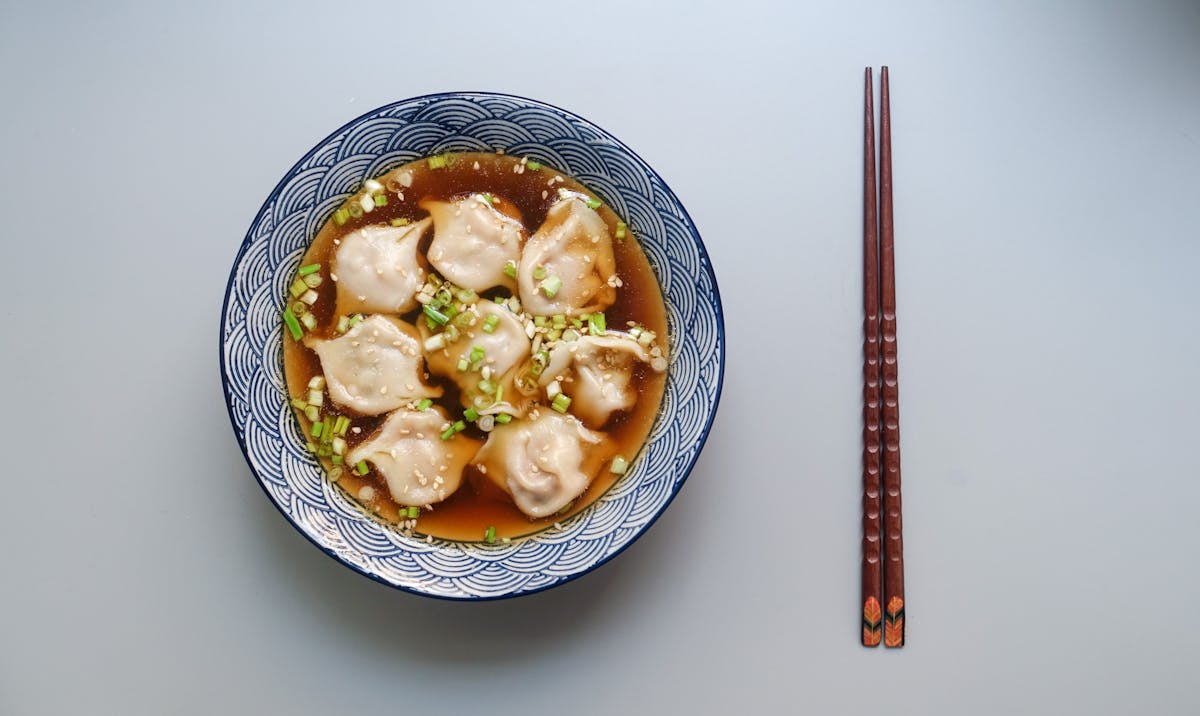
- Wan Shou Zhai — No 123 Shanyin Road. Open 04:30–21:00; average about ¥27. A long-running neighbourhood shop, also known for wontons.
- Jia Jia Tang Bao — No 127 Huanghe Road. Open 07:30–20:30; average about ¥41. A reliable stop for a quick steamer, founded in 1986.
For a cheaper, less polished meal, walk a residential street at breakfast time and look for a shop with a steady queue. The menu may be only dumplings, noodles, or soy milk and fried dough sticks, which is usually a good sign.
Food streets and neighbourhoods
Yunnan Road
A traditional food street near People's Square, convenient if you are already visiting the Shanghai Museum or Nanjing Road. It is a mix of old names and newer shops rather than a preserved market. Check prices before ordering in the more tourist-facing restaurants.
Huanghe Road
A busy restaurant street in Huangpu, known for local food and late dinners. Jia Jia Tang Bao is here at No 127. It is a practical stop before or after a show, but not a hidden local secret.
Wujiang Road
A pedestrian snack street in Jing'an with a mix of traditional snacks, bakeries, and chain outlets. It is cleaner and more organised than the older food streets, and easier for visitors who want to sample several things without committing to a full restaurant. It is also more commercial; compare prices and choose shops with visible cooking.
Tianzifang and Xintiandi
These are shopping and dining districts, not street-food markets. You can find snacks in both, but the food is aimed at visitors and priced accordingly. Go for the atmosphere and architecture, then eat elsewhere if value matters.
What it costs
Street-level snacks are still one of the best values in Shanghai. A steamer of xiaolongbao, a bowl of noodles, or a jianbing often costs less than a mid-range restaurant main. At the official shops above, average spend ranges from about ¥27 to ¥130 per person, depending on how much crab, pork, and extra dishes you order.
Tourist areas charge more. A snack on Nanjing Road or inside Yu Garden can cost several times what the same thing costs in a residential neighbourhood. If you are on a budget, eat where office workers and families eat.
How to order and pay
- Point at what you want. Picture menus, display cases, and the next table's food are all fair game. Staff are used to visitors who do not read Chinese.
- Order at the counter in snack shops. You may pay first and receive a ticket or number, then collect the food.
- Mobile payment is standard. Alipay and WeChat Pay work almost everywhere; some small shops may not accept foreign cards. Keep a little cash as backup.
- Do not tip. It is not expected at casual restaurants and stalls.
- Queue politely. A crowd waiting outside is usually a sign of good turnover, not a reason to skip the place.
Hygiene and safety
- Choose busy places with food being cooked in front of you. High turnover means fresher ingredients.
- Eat cooked food while it is hot. Be cautious with raw seafood, cold dishes that have been sitting out, and unpeeled fruit from street carts.
- Bottled water is cheap and widely available. Many locals boil tap water before drinking it.
- Carry hand sanitizer and use it before eating if you are eating with your hands.
- If you have a shellfish, peanut, or gluten allergy, carry a written Chinese explanation. Dumpling fillings and sauces can contain ingredients that are not listed in English.
Shanghai is generally a safe place to eat, but a day of ruined stomach is a real risk if you chase the cheapest unrefrigerated food in summer. Use judgement rather than fear.
A half-day snack walk
Start near People's Square and walk to Yunnan Road for a first snack. Continue to Huanghe Road for xiaolongbao at Jia Jia Tang Bao, then take the metro to West Nanjing Road and finish on Wujiang Road for something sweet. This is a lot of food for one afternoon; split each portion or go with friends.
A better plan is to pick one food street and one neighbourhood shop per day. Shanghai rewards walking, and the best snack is often the one you find between two sights rather than the one you queued 40 minutes for.
For sit-down restaurants, including the 2026 Michelin list, see the best restaurants guide. For the broader cuisine picture, see what to eat in Shanghai.
The bottom line
Shanghai street food is at its best when you treat it as everyday food rather than a checklist. Learn the handful of classics, head to a busy shop, order what you see, and eat it while it is hot. The city's snack culture is affordable, varied, and one of the most enjoyable parts of a visit.
Addresses, hours, and prices change. Confirm with the shop or the official sources below before making a special trip.
Geprüfte Quellen
Für zeitkritische Angaben wurden offizielle und primäre Quellen verwendet. Öffnungszeiten, Preise und Einlassregeln können sich ändern – prüfen Sie sie vor Ihrer Reise.
Muxin
Shanghaier & privater Reiseleiter
Ich antworte persönlich innerhalb von 24 Stunden
Optionale Buchungsquellen
Dies sind optionale Links zu Buchungsplattformen. Ich verdiene keine Provision an diesen Links.
Kostenlose Shanghai-Reisecheckliste
Praktische Tipps, Essensempfehlungen und lokale Abkürzungen von einem Shanghaier. Auf Anfrage sende ich sie Ihnen persönlich.
Kein automatischer Newsletter und kein Spam — nur eine direkte Nachricht an mich.
Verwandte Guides
What to Eat in Shanghai: 12 Dishes and Where to Try Them
The Shanghai dishes worth seeking out, from soup dumplings to hairy crab, plus ordering, breakfast, and dietary tips.
Guide lesenShanghai Restaurants 2026: Michelin Stars and Local Snacks
A source-checked guide to eating well in Shanghai: the 2026 Michelin results, where to try xiaolongbao, average costs, and how to book.
Guide lesenShanghai Coffee Culture 2026: 10,000+ Cafés and Where to Go
What Shanghai coffee culture looks like in 2026, where to walk for cafés, what to order, and how the annual coffee festival works.
Guide lesenMöchten Sie das geplant bekommen?
Ich erstelle individuelle Routen und führe private Touren in Shanghai. Nennen Sie mir Daten und Interessen.
Ich antworte persönlich innerhalb von 24 Stunden.