The Bund: Shanghai's Historic Waterfront Guide
Plan a visit to the Bund: what the 1.5 km waterfront is, how to get there, when to go, what to see, and how to handle the crowds.
Esta guía está disponible actualmente en inglés
Las traducciones están en curso. El artículo siguiente está en inglés; la página inglesa es la versión original.
Abrir la versión en inglésThe Bund is Shanghai's signature waterfront and the easiest place to understand the city's self-image: a river on one side, a wall of historic buildings on the other, and a futuristic skyline across the water. It is free to walk, open to the public, and worth more than the quick photo stop many itineraries allow.
What the Bund actually is
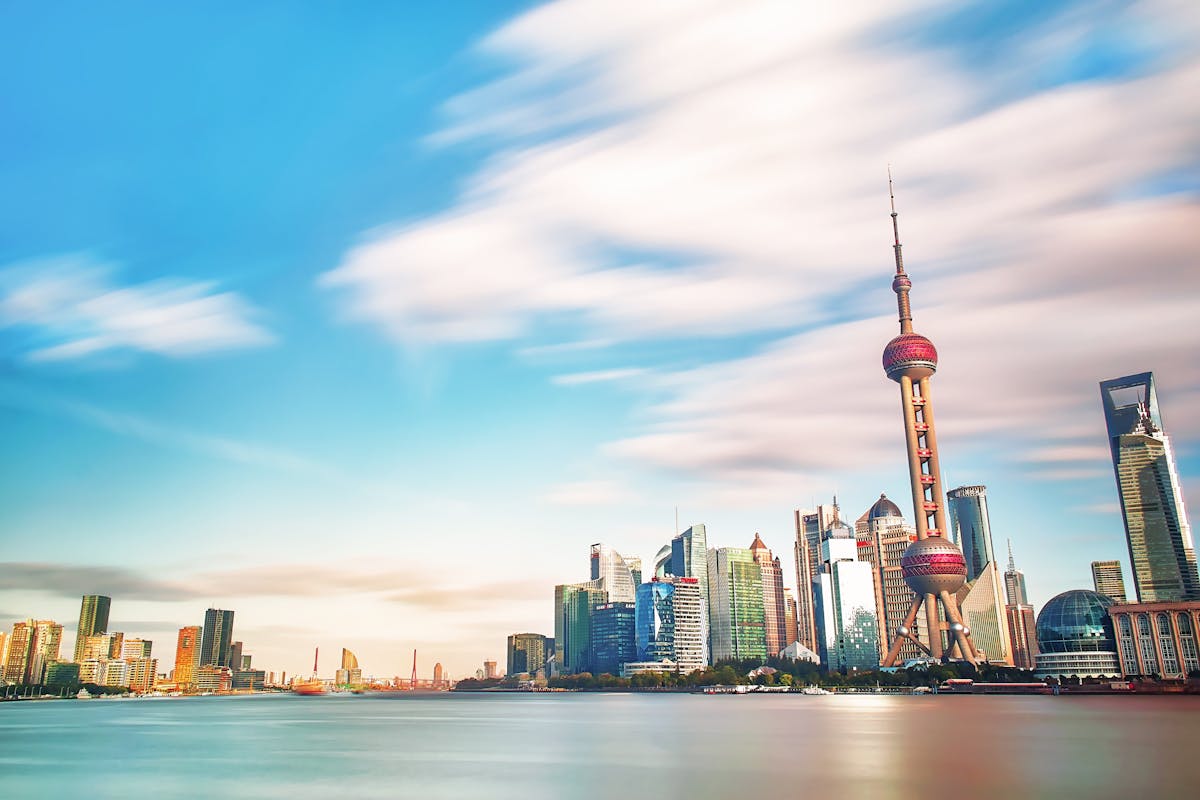
The Bund is a 1.5-kilometer waterfront area and a protected historical district in central Shanghai. On its eastern side is the Huangpu River, the largest river running through the downtown area. On the western side is a dense row of historic buildings that once housed banks, trading houses, and financial institutions.
The official Shanghai visitor page describes 52 Gothic and Baroque-style buildings facing the river. The wider heritage district includes Baroque, Gothic, and ancient Greek influences, which is why the Bund is often called an outdoor museum of international architecture. The buildings date mainly from the late 19th and early 20th centuries, when Shanghai was a treaty port and the Bund was the financial center of old Shanghai. It was known as China's Wall Street.
That history is not a simple story of glamour. The Bund was built during a period of foreign concessions and unequal treaties. The architecture is impressive, and so is the history behind it. A good visit leaves room for both.
Getting there
The simplest public transport option is Metro Line 2 or Line 10 to East Nanjing Road Station, followed by a 10–15 minute walk east toward the river. The walk is flat, but crowded at peak times and less pleasant with large luggage.
For the northern end, Tiantong Road Station on Lines 10 and 12 is another option, depending on where you start. Taxis and ride-hailing cars can drop you near the waterfront, but traffic on the approach roads is heavy and drop-off points may be restricted. The metro is usually faster.
Do not confuse "the Bund" with "Bund Center" or with hotels that use the name loosely. Check the exact location on a map. The historic promenade runs along Zhongshan East 1st Road, from the Suzhou Creek area in the north to Yan'an East Road in the south.
When to go
Early morning is the most comfortable time. The promenade is used by local residents for exercise, the light is soft, and you can walk without being carried along by a crowd. This is especially good if you want photographs of the historic buildings without a wall of phones in front of them.
Late afternoon into evening is the classic time for the skyline view. The Pudong lights usually come on after dark, but the exact schedule varies by season and is not guaranteed. Do not plan your entire trip around a precise lighting time.
Weekdays are calmer than weekends. Public holidays, especially the National Day week in early October and the Spring Festival period, can be extremely crowded. If you visit during a holiday, go early and avoid the central section around Nanjing East Road in the evening.
A simple route
Start at the northern end near the Waibaidu Bridge and Suzhou Creek. The bridge and the old waterfront area give you a sense of how the city grew around the river. Walk south along the promenade, keeping the river on your left and the historic buildings on your right.
The full promenade is only 1.5 kilometers, but allow 60–90 minutes if you stop for photos, cross the road to look at building facades, or sit by the river. The route ends near Yan'an East Road, where you can continue to the Old City and Yuyuan Garden or turn inland toward People's Square.
Along the way, look for:
- The Peace Hotel, one of the Bund's best-known landmarks, with its distinctive green roof and Art Deco character.
- The Customs House, with its clock tower and long association with the waterfront.
- The former HSBC building, known for its grand banking hall and mosaic detail. Interior access is not guaranteed, so check before planning a visit inside.
- The Bank of China building, part of the varied architectural mix that makes the Bund more than a single style.
- The view across the river to Lujiazui, where the Shanghai Tower and other skyscrapers form the modern counterpoint to the historic waterfront.
You do not need to enter every building. Many are offices or hotels, and public access is limited. The pleasure of the Bund is the streetscape, the river, and the contrast between the two banks.
Photography and crowds
The Bund is one of the most photographed places in China, and the prime spots fill up quickly. Go early, use the northern section for a slightly quieter view, and do not block the walkway with a tripod or a long photo session. The promenade is a public space used by residents, not a private studio.
For the classic postcard view, stand on the Bund side and look east across the river. For a different angle, continue to the Lujiazui riverside promenade on the Pudong side and look back at the historic buildings. The metro can take you under the river, or you can use a public ferry if you want the river crossing as part of the experience; check the current pier and operating hours before you go.
Practical tips
- Wear comfortable shoes. The promenade is flat, but you will walk more than you expect, and the surrounding streets are busy.
- Cross with care. Zhongshan East 1st Road separates the buildings from the waterfront. Use marked crossings and underpasses; do not weave through traffic.
- Watch your belongings in the densest crowds, especially around Nanjing East Road and holiday evenings.
- Bring water in summer. The promenade has little shade, and Shanghai's summer heat and humidity can be intense.
- Check the weather. The waterfront is exposed to wind and rain. During typhoon season, avoid the riverfront during official warnings.
- Do not expect a quiet sunset. The Bund is a major attraction. If you want solitude, go at dawn or choose a weekday morning.
Nearby
The Bund is easy to combine with other central sights:
- Nanjing Road pedestrian street for shopping and a direct walk inland.
- Yuyuan Garden and the Old City for traditional architecture, gardens, and snacks; expect crowds.
- People's Square and the Shanghai Museum for a calmer indoor break and a deeper look at Chinese art and history.
- Suzhou Creek and Waibaidu Bridge for a less polished, more industrial waterfront walk.
- Lujiazui for the skyline up close and the riverside promenade on the Pudong side.
Accessibility and comfort
The promenade itself is mostly flat, but the surrounding area has busy roads, underpasses, and uneven pavement. Step-free metro access varies by station and exit. If you use a wheelchair or travel with a stroller, check the specific station exit in advance and allow extra time. The biggest barrier is usually crowding rather than stairs.
There are public toilets and convenience stores in the surrounding streets, but facilities on the promenade can be busy. Carry tissues and hand sanitizer as a backup.
The bottom line
The Bund is not just a viewpoint. It is the best free introduction to Shanghai's history and its modern ambition. Go early or go at dusk, walk the full 1.5 kilometers, and spend as much time looking at the buildings as you do photographing the skyline.
Opening hours, building access, ferry services, and evening lighting can change. Check the official Shanghai sources before a special visit.
Fuentes consultadas
Los datos sujetos a cambios se basan en fuentes oficiales y primarias. Los horarios, precios y normas de acceso pueden cambiar; compruébalos antes de viajar.
Muxin
Local de Shanghái y guía privado
Respondo personalmente en menos de 24 horas
Recursos de reserva opcionales
Son enlaces opcionales a plataformas de reserva. No gano comisión con estos enlaces.
Lista de viaje de Shanghái gratuita
Consejos prácticos, recomendaciones de comida y atajos locales de alguien que vive en Shanghái. Pídela y te la envío personalmente.
Sin newsletter automática ni spam: solo un mensaje directo para mí.
Guías Relacionadas
First Time in Shanghai: Arrival and Your First Day
First time in Shanghai? Set up payments and mobile data, clear the airport smoothly, avoid classic mistakes, and start with a realistic day-one plan.
Leer guíaShanghai 3-Day Itinerary: A Realistic First Visit (2026)
A workable three-day Shanghai plan covering the Bund, old town, museums, Lujiazui, and the French Concession, with metro tips and closure days.
Leer guíaShanghai Metro Guide: Fares, Tickets, and How to Ride (2026)
How to use the Shanghai metro: latest fares and passes, contactless bank cards, airport connections, key lines, and late-night limits.
Leer guía¿Quieres que lo planifique por ti?
Creo itinerarios personalizados y guío tours privados en Shanghái. Cuéntame fechas e intereses.
Respondo personalmente en menos de 24 horas.