Shanghai vs Hong Kong 2026: Entry, Costs, and Which to Visit
A practical 2026 comparison of Shanghai and Hong Kong: visa systems, language, internet, costs, food, transport, and how to combine both.
Ce guide est actuellement disponible en anglais
Les traductions sont en cours. L’article ci-dessous est en anglais ; la version anglaise est l’originale.
Ouvrir la version anglaiseShanghai and Hong Kong are both Chinese cities with skylines, dense street life, and excellent food, but they are different destinations with separate immigration systems. Choosing between them is less about which is “better” and more about what you want from the trip: mainland China at speed, or a Cantonese city with a global financial culture.
This comparison covers the differences that affect planning in 2026, including the entry rules that travellers most often misunderstand.
The short answer
- Choose Shanghai for mainland China, Jiangnan food and gardens, a vast metro, art and museums, water towns, and easy high-speed rail to Suzhou and Hangzhou.
- Choose Hong Kong for Cantonese food, a harbour-and-hills cityscape, easier English, open internet, island hikes, and a more compact short break.
- Visit both if you have 7–10 days. They are connected by direct flights and high-speed rail, but each deserves at least three full days.
Entry rules are completely separate
This is the most important practical difference. Hong Kong is a Special Administrative Region with its own immigration policy. A mainland China visa, visa-free entry, or 240-hour transit permission does not automatically give you the right to enter Hong Kong, and a Hong Kong visa-free stay does not give you the right to enter mainland China.
For Hong Kong, check the Immigration Department's visa-free table for your nationality and passport type. Many nationalities can visit without a visa, but the permitted stay and conditions vary; some need an entry permit in advance. You must also meet normal conditions such as adequate funds and onward travel, and immigration officers can still refuse entry.
For mainland China, the main routes are:
- 30-day visa-free entry for eligible nationalities, including the UK, Canada, Australia, Japan, South Korea, and most EU countries. The US is not included.
- 240-hour visa-free transit for 57 nationalities, including the US, with a confirmed onward ticket to a third country or region and an eligible port of entry.
- A visa, if neither applies or your purpose is not covered.
A Shanghai-only 240-hour transit does not allow a side trip to Hong Kong or elsewhere in mainland China unless your permission covers it. If you plan to cross from Hong Kong into mainland China, check both sets of rules before you book. My Shanghai visa guide covers the mainland side.
Language and everyday communication
Hong Kong: Cantonese is the everyday language, and English is an official language. English is widely spoken in hotels, restaurants, shops, and transport, though less so in older neighbourhoods. Signs are in Chinese and English.
Shanghai: Mandarin is the main language, with Shanghainese spoken locally. English is common in international hotels, major attractions, and metro stations, but much less reliable in local restaurants, taxis, and shops. A translation app and Chinese addresses are useful.
If English-only travel is a priority, Hong Kong is easier. If you are comfortable using a translation app and a ride-hailing app, Shanghai is manageable.
Internet and apps
Hong Kong has an open internet. Google, WhatsApp, Instagram, Facebook, and the usual international apps work on local networks.
Mainland China, including Shanghai, restricts many international services on local networks. Hotel Wi-Fi is subject to the same restrictions. International roaming or a travel eSIM may keep some services working depending on your provider, but do not rely on it for critical work. Download offline maps and a translation app, and set up Alipay or WeChat Pay before you arrive.
This is a real practical difference. If you need constant access to Google Workspace or WhatsApp for work, plan carefully or prioritise Hong Kong.
Costs
Hong Kong is generally more expensive for accommodation, especially in central areas, and hotel rooms are often small. Restaurant prices range from cheap noodle shops to very expensive international dining.
Shanghai offers better value at the mid-range, with more space for the same money and excellent inexpensive food. Luxury hotels and fine dining can be as expensive as anywhere.
Neither city is a budget destination by regional standards. In Shanghai, the weak spots are hotel prices near the Bund and Lujiazui, imported goods, and taxis to the airports. In Hong Kong, accommodation and alcohol are the main budget risks.
Both cities are cashless-friendly. Hong Kong uses Octopus, contactless cards, and mobile payment; Shanghai is dominated by Alipay and WeChat Pay. International cards work more consistently in Hong Kong than in small Shanghai shops.
Food
Shanghai: Jiangnan cooking — sweet-savoury braised meats, river fish, scallion oil noodles, soup dumplings, pan-fried buns, and hairy crab in autumn. The city also has strong regional Chinese restaurants and a serious café scene.
Hong Kong: Cantonese food — dim sum, roast goose, claypot rice, wonton noodles, and a strong international restaurant culture. English menus are more common, and the range of Asian cuisines is broader.
If food is the main reason for your trip, both are excellent but different. Shanghai is better for Jiangnan dishes and cheap breakfasts; Hong Kong is better for Cantonese cooking and late-night eating.
Things to do
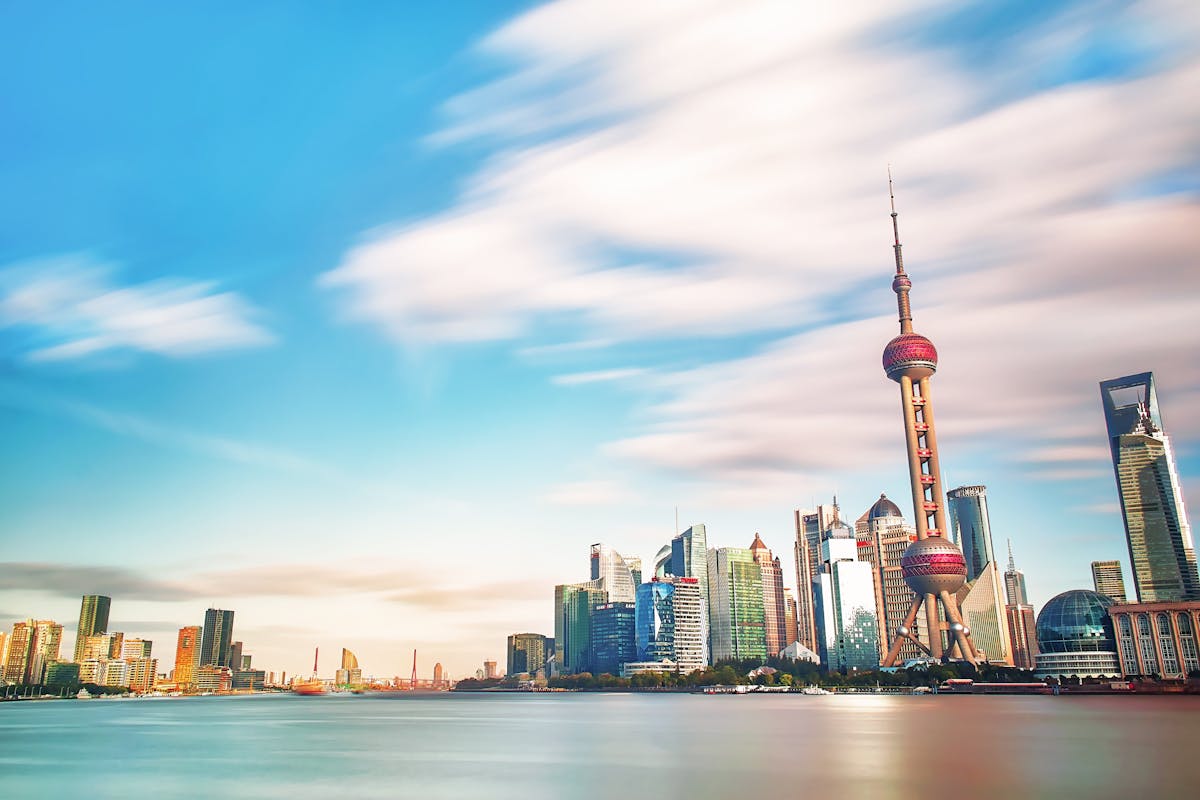
Shanghai: the Bund, Yu Garden, Pudong's skyline, the French Concession, Shanghai Museum, contemporary art, water towns, Disneyland, and day trips to Suzhou and Hangzhou.
Hong Kong: Victoria Harbour, Victoria Peak, Star Ferry, markets, temples, museums, beaches, and hiking on the outlying islands. The city is compact and the countryside is closer to the centre than in Shanghai.
Shanghai is flatter and more spread out; Hong Kong is vertical, hilly, and more walkable in the centre. If you want hiking and islands, Hong Kong wins. If you want mainland Chinese culture and regional day trips, Shanghai wins.
Transport
Shanghai: a large, cheap metro, metered taxis, DiDi, the Maglev, and high-speed rail to the rest of China. The main visitor challenge is distance and station size.
Hong Kong: the MTR is excellent, Octopus is ubiquitous, and the Airport Express is fast. Taxis are metered, and ferries connect the islands. The main challenge is hills and walking in dense areas.
At airport level, Hong Kong International Airport is a major global hub with direct flights worldwide. Shanghai has two airports: Pudong for most international flights and Hongqiao for domestic and some regional flights. Check which airport your ticket uses before booking a hotel.
Weather and timing
Both cities are subtropical, but Hong Kong is milder in winter and more exposed to typhoons. Shanghai has colder, damper winters and hot, humid summers.
- Shanghai: best in spring (March–May) and autumn (September–November).
- Hong Kong: best from October to December, when humidity drops and outdoor activities are comfortable.
Avoid Chinese New Year in both cities if you want lower prices and fewer crowds; it is a major travel period. Check public holidays separately, as mainland and Hong Kong holiday calendars differ.
Which city for a first China trip?
Shanghai is the easier introduction to mainland China: a modern skyline, a compact historic core, excellent transport, and a strong food scene. It is also the better base for Suzhou and Hangzhou.
Hong Kong is easier for English-only travellers and works well as a shorter city break or a first stop before mainland China. It is not a substitute for seeing the mainland, and it is not covered by mainland visa-free rules.
Combining both
A sensible 7–10 day trip is 3–4 days in Shanghai, 3–4 days in Hong Kong, with a direct flight or high-speed rail between them. Check both entry permissions, allow a full travel day, and do not schedule a tight connection on the same day.
For a first visit to mainland China, start in Shanghai and add Hong Kong at the end if your route and visa allow it. For a Cantonese food-and-hiking trip, Hong Kong alone is enough.
The bottom line
Shanghai and Hong Kong are complementary, not interchangeable. Shanghai gives you mainland China, Jiangnan culture, and regional day trips. Hong Kong gives you Cantonese city life, easier English, open internet, and hills. Check the two immigration systems separately before booking, and give each city enough time to be more than a skyline photo.
Entry rules and transport change. Confirm them with the official sources below before you travel.
Sources vérifiées
Les informations sensibles au temps s’appuient sur des sources officielles et primaires. Horaires, tarifs et règles d’entrée peuvent changer : vérifiez avant votre visite.
Muxin
Habitant de Shanghai et guide privé
Je réponds personnellement sous 24 heures
Ressources de réservation facultatives
Ces liens vers des plateformes de réservation sont facultatifs. Je ne perçois aucune commission.
Checklist de voyage Shanghai gratuite
Conseils pratiques, bonnes adresses et raccourcis locaux d’un habitant de Shanghai. Demandez-la et je vous l’envoie personnellement.
Pas de newsletter automatique ni de spam — juste un message direct pour moi.
Guides Connexes
Shanghai vs Beijing: Which City to Visit
Comparing Shanghai and Beijing for travelers. Differences in culture, food, attractions, and travel experience.
Lire le guideShanghai vs Singapore: Travel Destination Guide
Comparing Shanghai and Singapore. Which Asian city is right for your next trip?
Lire le guideShanghai Visa Requirements 2026: Visa-Free Entry and Transit
Who can enter Shanghai without a visa in 2026, how the 240-hour transit rule works, and when US, UK, and other travellers still need a Chinese visa.
Lire le guideVous voulez que ce soit planifié pour vous ?
Je crée des itinéraires sur mesure et guide des visites privées à Shanghai. Indiquez-moi vos dates et envies.
Je réponds personnellement sous 24 heures.