Shanghai 3-Day Itinerary: A Realistic First Visit (2026)
A workable three-day Shanghai plan covering the Bund, old town, museums, Lujiazui, and the French Concession, with metro tips and closure days.
Three days is enough to see the Shanghai that most first-time visitors come for, without spending the whole trip in transit. This plan assumes you are staying near a metro station in People’s Square, Jing’an, or the former French Concession, and that you have one full day for the historic centre, one for museums and Pudong, and one for neighbourhoods.
It is deliberately not a checklist. Each day has a main area, a realistic meal break, and an evening option that you can skip if jet lag wins.
Before you start
- Get mobile data and a payment app working. Alipay or WeChat Pay plus a small cash backup covers almost everything. See the money guide if you have not done this yet.
- Check closure days. The Shanghai Museum’s People’s Square branch is closed on Mondays; the East Branch is closed on Tuesdays. Both are open on national holidays, with different hours. Museum rules change, so check the official visit page on the day.
- Do not buy expensive attraction tickets from touts. Use official counters or the attraction’s official booking channel.
- Keep your passport with you. You will need it for hotels and may be asked for it at attractions or when buying train tickets.
- Check the last metro time for your hotel on each day. Most lines stop between roughly 22:30 and 23:00, not at midnight.
If you are visiting on a 240-hour visa-free transit, remember that the permitted area for a Shanghai entry is currently Shanghai Municipality only. Do not replace day three with a Suzhou or Hangzhou trip unless you have confirmed that your entry permits it.
Day 1: Old town, Nanjing Road, and the Bund
This is the easiest orientation day: compact, mostly walkable, and flexible if your flight lands late.
Morning: Yu Garden and the old town
Start around Yu Garden in the old town. The garden itself is a Ming-dynasty classical garden with rockeries, pavilions, and ponds; the surrounding bazaar is commercial but convenient for a first look at the area. Buy tickets from the official garden ticket office or channel, and check the current opening hours before you go.
Walk a few blocks beyond the bazaar if you want a quieter sense of the old city. The lanes around Fangbang Road and the side streets south of Renmin Road are less polished than the main shopping area, and that is part of the appeal.
Lunch: look for a local noodle or dumpling shop near the old town, or escape to a mall food hall if the crowds are overwhelming. Xiaolongbao and shengjianbao are the obvious first-day choices.
Afternoon: Nanjing Road East
Take the metro to Nanjing Road East (Lines 2 and 10) and walk west, or start at People’s Square and walk east toward the river. The pedestrian section is busy, commercial, and not especially historic, but it is a useful orientation corridor and connects naturally to the Bund.
If shopping is not your thing, cut the walk short and spend the time in People’s Park or at a café. This itinerary is not improved by forcing yourself through every chain store.
Evening: the Bund
Arrive at the Bund in the late afternoon and walk the 1.5 km waterfront. The historic district has more than 50 buildings facing the river, in styles ranging from neoclassical and Gothic to Art Deco, with the Pudong skyline on the opposite bank. It is free, open-air, and busiest around sunset.
Walk north toward Waibaidu Bridge or south toward Yan’an East Road, depending on which end you started. Stay for dusk, when the historic facades and the Pudong towers light up. Then have dinner in Jing’an, People’s Square, or the streets behind the Bund rather than at the first restaurant with a river view.
For a different perspective, take a public ferry across the Huangpu instead of a round-trip tourist cruise. It is cheap and local, but check the pier, fare, and last sailing; services can be affected by weather.
Day 2: Shanghai Museum and Pudong
Today combines the city’s best museum with its most famous skyline. It involves a river crossing and a fair amount of walking, so start at a reasonable hour.
Morning: choose the right museum branch
The Shanghai Museum has two main locations:
- People’s Square: open 09:00–17:00, last entry at 15:00, closed Mondays except national holidays. Central and easy to combine with Nanjing Road.
- East Branch, Pudong: open 10:00–18:00, last entry at 17:00, closed Tuesdays except national holidays. Individual visitors do not need a reservation, though special exhibitions may require one.
The branch that is open depends on your day. On Monday, go to the East Branch; on Tuesday, go to People’s Square. Check the official site for special exhibitions and any booking requirement, because a blockbuster show can change the entry rules.
Give the museum two to three hours. The bronze, ceramics, calligraphy, and painting collections are the core; do not try to see every gallery.
Afternoon: Lujiazui and the skyline
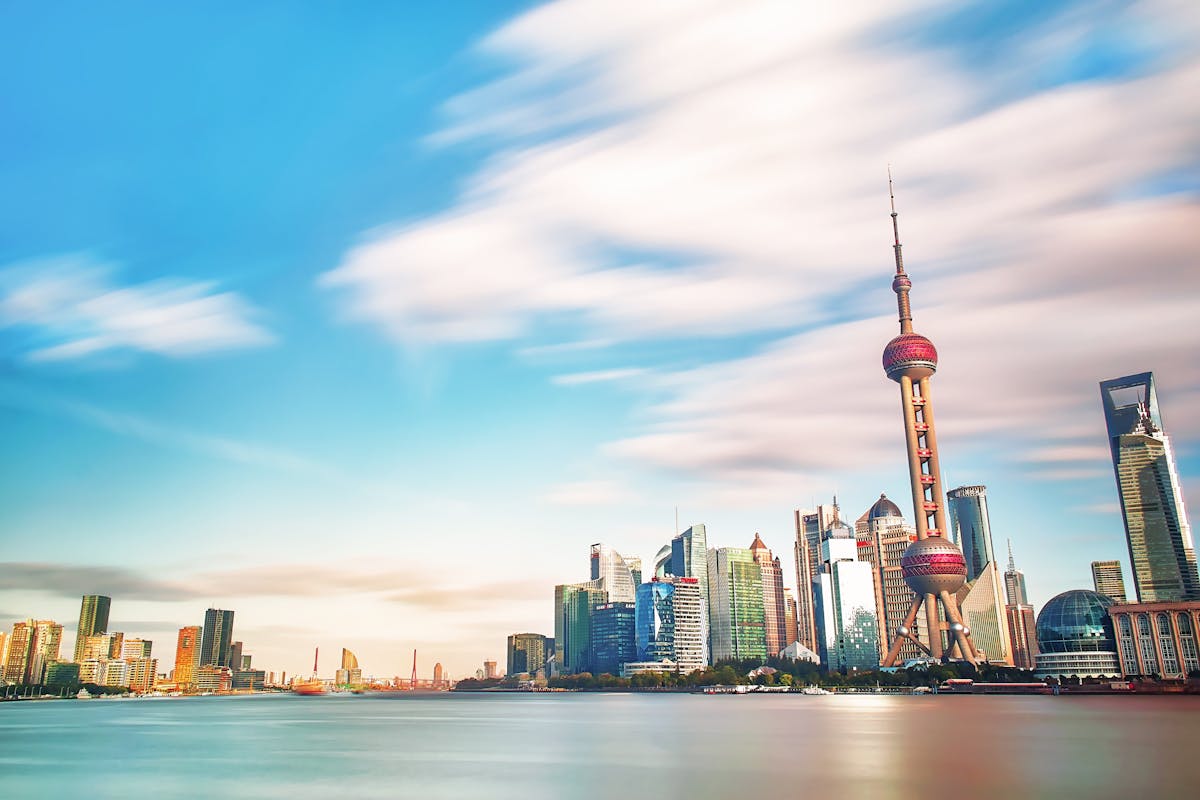
Take Metro Line 2 to Lujiazui. The elevated circular pedestrian bridge gives you a free view of the Pearl Tower, the Shanghai Tower, and the World Financial Center. The skyline is best from ground level as well as from above.
The Shanghai Tower observation deck is ticketed and weather-dependent. Check visibility before buying a ticket; on a hazy or rainy day, the view may not be worth the price. The same applies to other observation decks: buy from official channels, not from anyone selling tickets on the street.
Walk the riverside promenade in Lujiazui and look back at the Bund. If you still have energy, cross back by public ferry or metro and have dinner near the Bund or in Jing’an.
Evening: choose one view
- Bund at night: the classic view, free, and crowded.
- Lujiazui riverside: quieter, with the historic Bund in front of you.
- A hotel rooftop bar: good if you want a sit-down view; check the dress code and minimum spend before going.
- River cruise: book through an official ticket office or pier and check the departure point. Prices vary widely.
Do not attempt all four. One good view and a relaxed dinner is better than racing between rooftops.
Day 3: French Concession and Jing’an
This is the day for walking, cafés, independent shops, and the side of Shanghai that feels more like a neighbourhood than a monument.
Morning: the former French Concession
Start around Wukang Road and Anfu Road. The plane-tree streets, low-rise buildings, and small shops make this one of the most pleasant areas for a slow morning. Wukang Mansion is a popular photo stop, but it is a residential building; take photos from the street and do not block entrances.
Walk toward Fuxing Park and the lanes around Huaihai Road. You do not need a fixed route. Pick a café, wander side streets, and use the park as a landmark when you need to reorient.
Lunch: this is a good area for noodles, dumplings, bakeries, and casual Chinese or international restaurants. Check recent reviews and opening hours; many small places close between lunch and dinner.
Afternoon: Jing’an or Xintiandi
Choose one:
- Jing’an Temple and the Jing’an commercial area: an active Buddhist temple surrounded by glass towers. Dress respectfully, check opening hours, and expect a ticket at the entrance. Lines 2 and 7 serve Jing’an Temple station.
- Xintiandi: a restored shikumen-style district, now largely upscale shopping and dining. It is convenient, photogenic, and more commercial than historic.
- West Bund: a riverside art corridor with several museums and galleries. Best if you want contemporary art and a break from the crowds.
If you are travelling with children or need a slower pace, choose one of these and skip the rest. Shanghai rewards depth more than coverage.
Evening: a final dinner
Return to a neighbourhood you liked rather than chasing a “best restaurant” list. Jing’an and the French Concession have the widest choice for a final dinner, and the metro will get you back to most central hotels until late evening.
If you have a day trip instead of a third city day
Suzhou is about 30 minutes by high-speed train from Hongqiao Railway Station. Hangzhou is roughly 45–60 minutes from Hongqiao. Zhujiajiao is reachable on Metro Line 17, followed by a short bus, taxi, or walk to the old town. All three are worthwhile, but none fit comfortably into a day that also includes central Shanghai.
Visa caveat: if you entered under the 240-hour transit rule at Shanghai, the current NIA table limits your stay area to Shanghai Municipality. A day trip to Jiangsu or Zhejiang would take you outside that area. Confirm your permitted area before booking any train.
Practical tips
- Wear comfortable shoes. You will walk more than you expect, and Shanghai pavements are uneven in the old lanes.
- Carry water and a power bank. Your phone is your map, wallet, and ticket.
- Avoid overbooking restaurants. Casual local places are often excellent; the hardest reservation is not automatically the best meal.
- Use the metro at peak hours only if you must. Line 2 is crowded in the morning and evening; taxis sit in the same traffic.
- Check the weather. Summer heat and humidity are serious; winter is damp. A museum or mall is a legitimate rain plan.
- Do not leave dinner too late. Many kitchens close earlier than in London or New York, especially outside hotels.
Three days will not exhaust Shanghai. That is the point. Pick a few anchors, leave space between them, and let the city fill the gaps.
Sources and updates
The Bund description, museum hours, metro guidance, and transit-area rules are checked against the official sources below. Opening hours and entry rules change; confirm before you travel, especially around public holidays.
확인한 출처
시점에 따라 달라지는 정보에는 공식 및 1차 출처를 사용했습니다. 운영 시간, 요금, 입장 규정은 바뀔 수 있으니 방문 전에 확인하세요.
선택 예약 리소스
예약 플랫폼으로 연결되는 선택 링크입니다. 이 링크에서 수수료를 받지 않습니다.
무료 상하이 여행 체크리스트
상하이 현지인의 실용 팁, 음식 추천, 현지인의 지름길. 요청하시면 직접 보내드립니다.
자동 뉴스레터나 스팸은 없습니다. 저에게 직접 보내는 메시지입니다.
관련 가이드
How to Visit Shanghai 2026: Visa, Transport, and Money
A first-trip guide to Shanghai: current visa-free rules, best months, airport transfers, metro fares, payments, neighbourhoods, and a realistic plan.
가이드 읽기The Bund: Shanghai's Historic Waterfront Guide
Plan a visit to the Bund: what the 1.5 km waterfront is, how to get there, when to go, what to see, and how to handle the crowds.
가이드 읽기Shanghai Former French Concession: A 2026 Walking Guide
A practical walking guide to the Former French Concession: Wukang Road architecture, a three-hour route, Fuxing Park, food stops, and local etiquette.
가이드 읽기계획을 맡기시겠어요?
상하이에서 맞춤 일정과 프라이빗 투어를 제공합니다. 날짜와 관심사를 알려주세요.
24시간 이내에 직접 답장합니다.