Shanghai on a Budget: Real Costs and Saving Tips
Shanghai on a budget: official metro, bus, ferry and taxi fares, free sights, cheap food, hotel tips, and the traps to avoid.
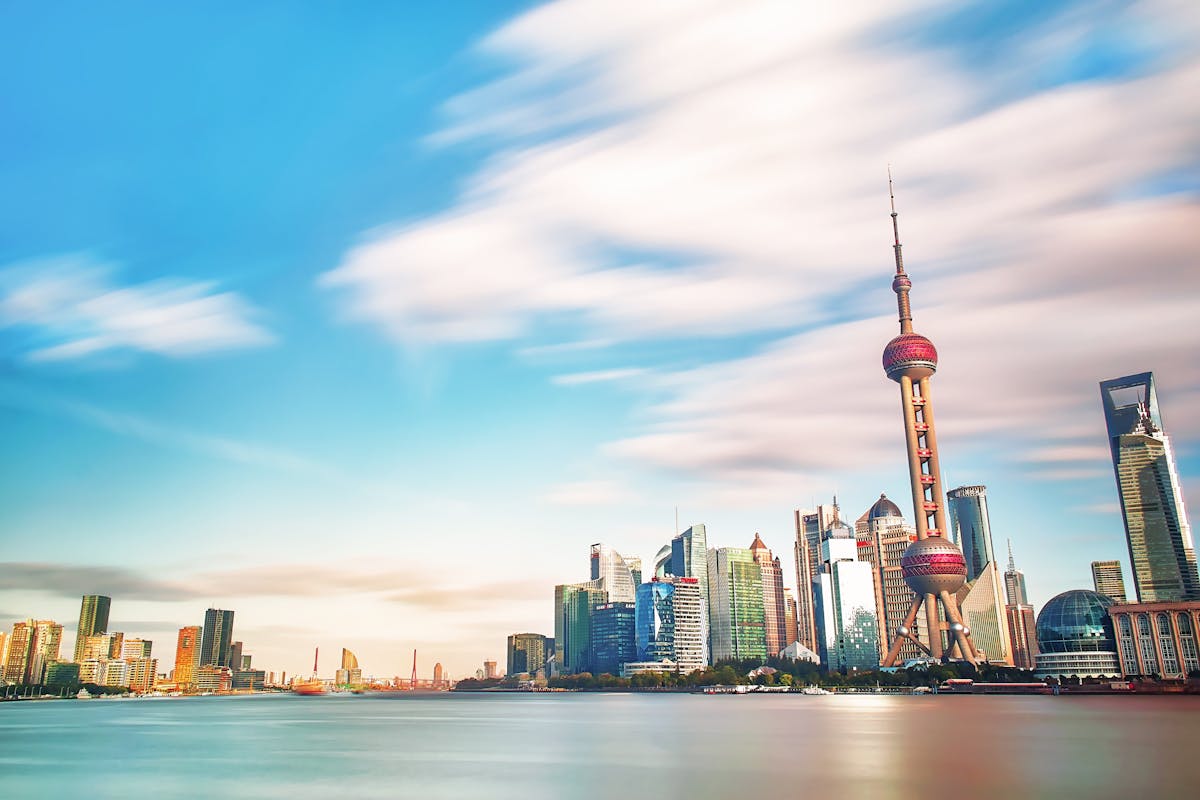
Shanghai has a reputation for luxury, but most of what makes the city worth visiting is cheap or free. The skyline is free from the Bund. The parks are free. The metro starts at 3 yuan. The expensive parts are hotels, airport transfers, skyline restaurants, and the habit of taking a taxi for every short hop.
This guide uses the city's published fares and opening information, checked in October 2026, and avoids the fake daily budgets that assume you can eat and sleep for nothing.
The short version
- Metro: from 3 yuan; a one-day metro pass is 18 yuan and a three-day pass is 45 yuan.
- Bus: 2 yuan on regular downtown routes.
- Ferry across the Huangpu: 2 yuan for foot passengers. It is the cheapest river view in the city.
- Taxi: base fare 14 yuan, then 2.70 yuan per km. Convenient, but not the budget option.
- Free sights: the Bund, Fuxing Park, Century Park, and the Shanghai Museum's permanent galleries (check reservation requirements).
- Cheap food: neighbourhood noodle and dumpling shops, mall food courts, and convenience stores. Avoid eating on the main tourist strips.
- Accommodation: a hostel dorm or a domestic budget chain is cheapest; location near a metro station matters more than a fancy address.
- The 18-yuan day pass is metro-only. It does not cover buses, ferries, the Maglev, or newer suburban rail lines. The city's Suishenxing app also sells 1-, 3-, and 7-day travel passes that cover buses, metro, and ferries; prices are shown in the app.
What transport actually costs
These are the published fares that matter for a budget trip.
Metro. Fares start at 3 yuan for up to 6 km, then 1 yuan for each additional 10 km. A one-day pass costs 18 yuan for unlimited metro rides within 24 hours of first entry; a three-day pass costs 45 yuan for 72 hours. Both exclude the Maglev and suburban railway lines opened in or after 2024.
The day pass is only good value if you actually ride the metro several times. Four or more trips in a day can justify it. If you are walking most of the day, pay per ride.
Bus. Regular downtown routes cost 2 yuan. Buses are slower than the metro but useful for short connections and for areas without a nearby station.
Ferry. Pedestrians pay 2 yuan on the cross-river ferries. The ride is short, but it gives you a skyline view that costs a fraction of a sightseeing cruise.
Taxi. Standard taxis start at 14 yuan; Touran and some electric taxis start at 16 yuan. After the first 3 km, the meter adds 2.70 yuan per km. There is a 50% surcharge on the distance fare beyond 15 km, a 30% night surcharge from 23:00 to 05:00, and small holiday surcharges. A taxi is reasonable for late nights or heavy luggage, not for every sight.
Airport transfer. Metro Line 2 connects Pudong Airport with the city for around 7 yuan and takes about an hour. The Maglev costs 50 yuan one way and only reaches Longyang Road, where you still need the metro. For a budget arrival, Line 2 is the clear choice unless you land after the last train.
Shared bikes. They require a Chinese app and a linked payment method. They are cheap for short trips, but the pricing lives in the app and is not worth building a day around.
The Shanghai metro guide covers lines, stations, and payment options in more detail.
A cheap day that actually works
Here is a real low-cost day in central Shanghai:
- Morning: Fuxing Park. Free, open from 5am to 9pm, and full of dancing, tai chi, cards, and conversation.
- Late morning: Shanghai Museum. General admission is free. Reserve a slot if required; the museum asks for one during peak periods and popular exhibitions. It is closed on Mondays except national holidays. Check the official visit page before you go.
- Lunch: a neighbourhood noodle or dumpling shop. Choose a place with prices on the wall and a steady local queue.
- Afternoon: ferry to Pudong and back. Pay 2 yuan, get the river view, and skip the paid observation decks.
- Sunset: the Bund. Free, and at its best just before and after the lights come on.
- Dinner: a mall food court or convenience store. Not glamorous, but reliable and affordable.
If you need the metro, the one-day pass is 18 yuan. With the ferry, your transport and sightseeing for the day can come to 20 yuan before food and accommodation. That is the honest version of a cheap Shanghai day.
Free sights worth your time
- The Bund. The historic waterfront promenade is free and open at all hours. Go at dusk for the lights, and walk north or south away from the densest crowds. The Bund guide covers the architecture and the best walking route.
- Fuxing Park. A central park in the former French Concession, free, and one of the best places to see everyday Shanghai life.
- Century Park. One of the city's largest free parks, open 24 hours since May 2024. It is a good half-day break from museums and shops.
- Shanghai Museum (People's Square). The permanent galleries are free. Reservations are required at peak times and during major exhibitions, and special exhibitions may have separate tickets. Check opening days and last entry.
- The French Concession streets. Wukang Road, Anfu Road, and the surrounding lanes are free to walk. The architecture and street life are the attraction, not a ticket booth.
- The Huangpu ferry. Not free, but 2 yuan is close enough. It is a working commuter ferry, not a tour, which is why it is cheap.
Eating well for less
The cheapest good food in Shanghai is not usually on Nanjing Road or facing the Bund. It is in the blocks behind them and in the basements of shopping malls.
- Neighbourhood noodle and dumpling shops. Look for a short menu with prices, plastic stools, and local customers. Shengjianbao, xiaolongbao, scallion oil noodles, and wonton soup are all everyday foods, not luxury.
- Mall food courts. Almost every large mall has a B1 level with individual stalls and shared seating. It is fast, air-conditioned, and easy to order by pointing.
- Convenience stores. FamilyMart, Lawson, and 7-Eleven are everywhere. Use them for breakfast, water, and snacks instead of hotel minibars.
- Local chains. Yang's Fry Dumpling is a well-known shengjianbao chain with many branches. It is not a secret, but it is consistent and easy to find.
- Lunch specials. Many restaurants charge less at lunch than at dinner for similar food. Eat your main meal at midday if you want to save.
Skip restaurants with photo menus and touts outside. A place that needs someone on the pavement to attract customers is usually charging for the location, not the food. For specific dishes and neighbourhoods, see the Shanghai street food guide and what to eat in Shanghai.
Where to sleep
Accommodation will be your largest cost. There is no honest fixed nightly price because rates move with weekends, holidays, events, and how early you book.
The two budget categories are:
- Hostels. Dorm beds are the cheapest option; private rooms in hostels can also be good value. Confirm that the hostel can register foreign guests and that the location is genuinely near a metro station.
- Domestic budget chains. Basic, clean, and common. Rooms are small, English is limited, and breakfast is usually simple. The advantage is consistent standards and a staffed front desk.
Practical advice:
- Prioritise the metro, not the postcard address. A cheap room far from a station costs you time and taxi fares. Look along Lines 1, 2, 8, 10, or 13, and check the walk to the station on a map.
- Compare the total price. Check cleaning fees, deposits, and cancellation terms, not just the headline rate.
- Avoid Chinese public holidays such as Spring Festival, Labour Day, and National Day, when transport and hotels are at their busiest and most expensive.
- Weekdays are usually cheaper than weekends in Shanghai, especially for business hotels.
- Be cautious with unlicensed guesthouses. They may be unable to complete the mandatory registration for foreign guests. A licensed hostel or hotel avoids that problem.
Where budget travellers overspend
- Airport taxis and the Maglev. Both are fine choices in some situations, but neither is the budget option. Metro Line 2 is far cheaper.
- Skyline bars and Bund-view restaurants. You are paying for the view. See the same skyline from the promenade for free.
- A metro pass you do not use. The 18-yuan pass is not a discount card; it is a breakeven calculation. Count your trips.
- Stacking paid attractions. Choose one or two that matter to you, then build the day around free parks, streets, and the ferry.
- Short taxi rides. A 14-yuan base fare adds up quickly in traffic. Use the metro or walk.
- Last-minute holiday bookings. The same room can cost much more during a major holiday.
- Currency exchange at the airport. Compare rates and fees; changing a large amount at a bad rate can wipe out a day's savings.
Budget traps and scams
- Ignore drivers who approach you inside the airport or station. Use the official taxi queue or a ride-hailing app.
- Refuse fixed-price taxis. Ask for the meter. If the driver refuses, get out and use another car.
- Be wary of friendly strangers inviting you to a tea house or bar. The bill can be far larger than expected. Choose your own venue and check prices before ordering.
- Buy attraction tickets at the official gate or website. Scalpers and unofficial resellers are not saving you money.
- Treat "free" tours and massages with suspicion. A free service often ends in pressure to buy something expensive.
- Check the bill before paying. In busy tourist areas, confirm that the amount matches the menu, especially for seafood and drinks.
For personal safety, scams, and what to do if something goes wrong, see the Shanghai safety guide.
Build your own daily budget
Instead of copying a viral "$50 a day" number, build a budget from the parts you can control:
- Accommodation: set a maximum nightly rate and book something refundable.
- Airport transfer: add the metro fare, not a taxi, unless you arrive late.
- Local transport: estimate 18 yuan for a metro day pass, or 3–5 yuan per single ride, plus 2 yuan for a ferry.
- Food: decide a daily cap before you leave the hotel. Food courts and local shops make this easy.
- Paid sights: pick one or two, and price them on the official website.
- Buffer: add 10–15% for mistakes, taxis, and the thing you did not plan.
A dorm bed and cheap meals can make a very low daily total possible. A mid-range hotel and one paid attraction will push it up. Both are valid trips. The number that matters is your own, not someone else's claim.
The bottom line
Shanghai is a good budget destination because its public transport is excellent and its best public spaces are free. The expensive version of the city is easy to find, but it is optional. Use the metro, take the ferry, eat where people actually eat, and choose accommodation for its access to the network rather than its address. You will see more and spend less.
Fares and opening hours change. Confirm with the official sources below before you rely on them.
확인한 출처
시점에 따라 달라지는 정보에는 공식 및 1차 출처를 사용했습니다. 운영 시간, 요금, 입장 규정은 바뀔 수 있으니 방문 전에 확인하세요.
- Shanghai Government — Getting around Shanghai: transport options and fares (updated June 2026)
- Shanghai Government — How to take the metro in Shanghai (updated June 2026)
- Shanghai Government — The Bund scenic area
- Shanghai Government — Fuxing Park (updated December 2025)
- Shanghai Government — Shanghai Century Park (updated October 2025)
- Shanghai Museum — Visit the museum at People’s Square
- Shanghai Government — A comprehensive guide to the Shanghai Museum (August 2025)
선택 예약 리소스
예약 플랫폼으로 연결되는 선택 링크입니다. 이 링크에서 수수료를 받지 않습니다.
무료 상하이 여행 체크리스트
상하이 현지인의 실용 팁, 음식 추천, 현지인의 지름길. 요청하시면 직접 보내드립니다.
자동 뉴스레터나 스팸은 없습니다. 저에게 직접 보내는 메시지입니다.
관련 가이드
Money in Shanghai: Payments, Cards, Cash, and Costs for 2026
How to pay in Shanghai as a foreign visitor: Alipay and WeChat Pay with an overseas card, cash and cards, typical costs, fees, and ATM limits.
가이드 읽기Shanghai Metro Guide: Fares, Tickets, and How to Ride (2026)
How to use the Shanghai metro: latest fares and passes, contactless bank cards, airport connections, key lines, and late-night limits.
가이드 읽기Getting Around Shanghai 2026: Metro, Maglev, and Taxis
How Shanghai’s metro fares and payments work, when the Maglev makes sense, taxi rules, and the fastest airport transfers.
가이드 읽기계획을 맡기시겠어요?
상하이에서 맞춤 일정과 프라이빗 투어를 제공합니다. 날짜와 관심사를 알려주세요.
24시간 이내에 직접 답장합니다.