Shanghai Coffee Culture 2026: 10,000+ Cafés and Where to Go
What Shanghai coffee culture looks like in 2026, where to walk for cafés, what to order, and how the annual coffee festival works.
Coffee is not a niche interest in Shanghai. It is part of the daily routine, and the numbers are extraordinary: the city reported 10,336 coffee outlets in 2026, up from about 5,500 in 2017. The 2026 China Urban Coffee Development Report, cited by the Shanghai government, says the city has kept the world's largest coffee-shop count as the market has grown.
That scale is why Shanghai is interesting for coffee lovers. You can find a quick latte on the way to the metro, a serious single-origin pour-over in a quiet courtyard, and a themed seasonal drink designed for a social-media queue — often within the same block.
The numbers behind the coffee boom
The official figures give a sense of the speed of the change:
- 10,336 coffee outlets in Shanghai in 2026.
- About 5,500 in 2017, already described as the highest number in the world at the time.
- China's coffee industry reached ¥354.9 billion in 2025, up 13.3 percent year on year.
- The 2026 Shanghai International Coffee Culture Festival ran from 30 April to 4 May along the North Bund in Hongkou, with about 300 brand booths and more than 20 international coffee brands.
- The city also promoted a "one district, one feature" coffee map across 16 districts and the Lin-gang Special Area, with nearly 50 flagship events, more than 40 international competitions, and promotions at over 6,000 merchants.
The festival is annual, so the dates change. If you are planning a trip around coffee, check the current year's schedule rather than relying on the 2026 dates.
Why Shanghai coffee feels different
The density creates a competitive market. Cafés are not just places to grab a drink; they are places to work, meet friends, have a first date, or take a break from the city. The official report describes coffee shops as part of everyday city life.
Three things stand out for visitors:
- Range. Espresso bars, roasteries, dessert cafés, bookstore cafés, and high-design flagship stores coexist. You can spend relatively little on a basic coffee or considerably more on a specialty tasting.
- Local adaptation. Seasonal drinks often use ingredients such as osmanthus, coconut, fruit, or tea. Some are sweet; ask for less sugar or syrup if you prefer a drier drink.
- Café culture. Many places have Wi-Fi, power outlets, and tables for laptops. At peak hours, though, a small café may expect you to order another drink or give up your seat.
What to order
You do not need a complicated order. These are widely understood:
- Latte or flat white — espresso with steamed milk. The flat white is usually smaller and stronger.
- Americano — espresso and hot water; the closest thing to a standard black coffee.
- Pour-over / hand drip — a single-origin coffee brewed to order. Ask what is fresh and what the barista recommends.
- Cold brew — steeped cold coffee, usually smooth and low in acidity. Common in summer.
- Dirty — cold milk with a shot of hot espresso poured on top. Do not stir immediately; the point is the contrast.
- Seasonal latte — often flavoured with osmanthus, chestnut, or fruit. Ask about sweetness if you do not like sugary drinks.
Milk alternatives are increasingly available, but not universal. If you need oat, soy, or lactose-free milk, ask before ordering. Decaf is also available at many specialty cafés but less common at small local shops.
Where to walk for coffee
Coffee is spread across the city, but three areas are especially rewarding on foot.
The Former French Concession
This is the classic coffee neighbourhood. The streets around Wukang Road, Anfu Road, Ferguson Lane, and Fuxing Park mix historic villas, small boutiques, bakeries, and cafés. It is also one of the most pleasant areas in Shanghai for an aimless walk.
Wukang Road itself is a heritage street. The official city guide notes buildings such as No 99 (a 1928 European-style villa), No 113 (the former residence of writer Ba Jin), the triangular Midget Apartments at the junction with Hunan Road, Ferguson Lane at No 376, and the Wukang Road Tourist Information Centre at No 393. The architecture is the draw; the cafés are the pause between sights.
Jing'an
Jing'an has a dense mix of chain cafés, independent shops, malls, and restaurants. The official city walk route through Jing'an runs from West Nanjing Road through Tongren Road, Nanyang Road, Xikang Road, Xinzha Road, North and South Shaanxi Road, Xinle Road, Donghu Road, Middle Huaihai Road, Changshu Road, and Wukang Road. It is about 6.9 kilometres and designed as a half- to full-day walk. You can follow part of it and stop whenever a café looks good.
The North Bund
The North Bund in Hongkou is the setting for the city's annual coffee festival. Its 2.3-kilometre riverfront has been redeveloped with public spaces and commercial venues. Outside festival dates, it is a quieter place for a riverside walk; check which cafés are currently open before making a special trip.
A half-day coffee walk
Here is a simple route that works without chasing a specific shop:
- Start at the Wukang Building at the southern end of Wukang Road, near the junction with Huaihai Middle Road. The flat-iron building is one of the city's most photographed landmarks.
- Walk north along Wukang Road, detouring into Ferguson Lane at No 376.
- Turn east onto Anfu Road for boutiques and cafés.
- Finish at Fuxing Park, where you can sit with your coffee and watch the city go by.
Allow two to three hours, including stops. This is a residential neighbourhood, so keep your voice down in the lanes and do not photograph people without permission. See the full Former French Concession walking guide for more detail.
The 2026 coffee festival
The 2026 festival was held on the North Bund from 30 April to 4 May, with nearly 300 brand booths, more than 20 international coffee brands, and a programme of competitions and events. It is a good opportunity to try roasters from outside Shanghai, but it is also crowded, especially on the opening weekend and public holidays.
If you are visiting during the festival, go early, use public transport, and expect queues at the most popular booths. If you are visiting at another time of year, the city's café scene is the main attraction; the festival is a bonus, not a reason to plan the whole trip around.
Coffee etiquette and practical tips
- Order something before you settle in. A café is a business, especially in a prime location. At busy times, do not occupy a table for hours with a single glass of water.
- Laptop culture is real, but not universal. Some cafés welcome remote work; others limit laptop use at peak brunch hours. Look for signs or ask.
- Mobile payment is standard. Alipay and WeChat Pay are widely accepted. Foreign cards work in some places, but not all; keep a backup payment method.
- Tipping is not expected.
- Check the opening hours. Independent cafés may open late, close early, or take a day off each week. Chain stores generally keep longer hours.
- English menus are common in tourist areas, but not guaranteed. Pointing at the menu or using a translation app works well.
- Prices vary widely. A basic coffee at a local chain is inexpensive; a specialty pour-over or a themed drink at a design café costs much more. The official statistics do not set prices, and menu prices change.
Coffee is also a good way to start a day of sightseeing. Have breakfast at a café near your first stop, then walk rather than taking a taxi between nearby sights. For food to go with it, see the street food guide or the best restaurants guide.
The bottom line
Shanghai's coffee scene is large, competitive, and deeply local. You do not need a list of famous shops to enjoy it: choose a walkable neighbourhood, look for a place that is busy with regulars, and order something simple. The official 2026 figures explain the scale, but the pleasure is in the small, everyday ritual of a coffee between two Shanghai streets.
Café openings, hours, and festival dates change. Check the official sources below or the venue's own account before you go.
確認した情報源
時間に左右される情報には公式・一次情報源を使用しています。営業時間・料金・入場規則は変更されることがあるため、訪問前にご確認ください。
Muxin
上海在住・プライベートガイド
24時間以内に直接返信します
予約リソース(任意)
予約サイトへの任意のリンクです。これらのリンクから手数料は得ていません。
無料の上海旅行チェックリスト
上海在住者による実用のコツ、食事の推薦、地元の近道。ご依頼いただければ直接お送りします。
自動ニュースレターやスパムはありません。私への直接メッセージだけです。
関連ガイド
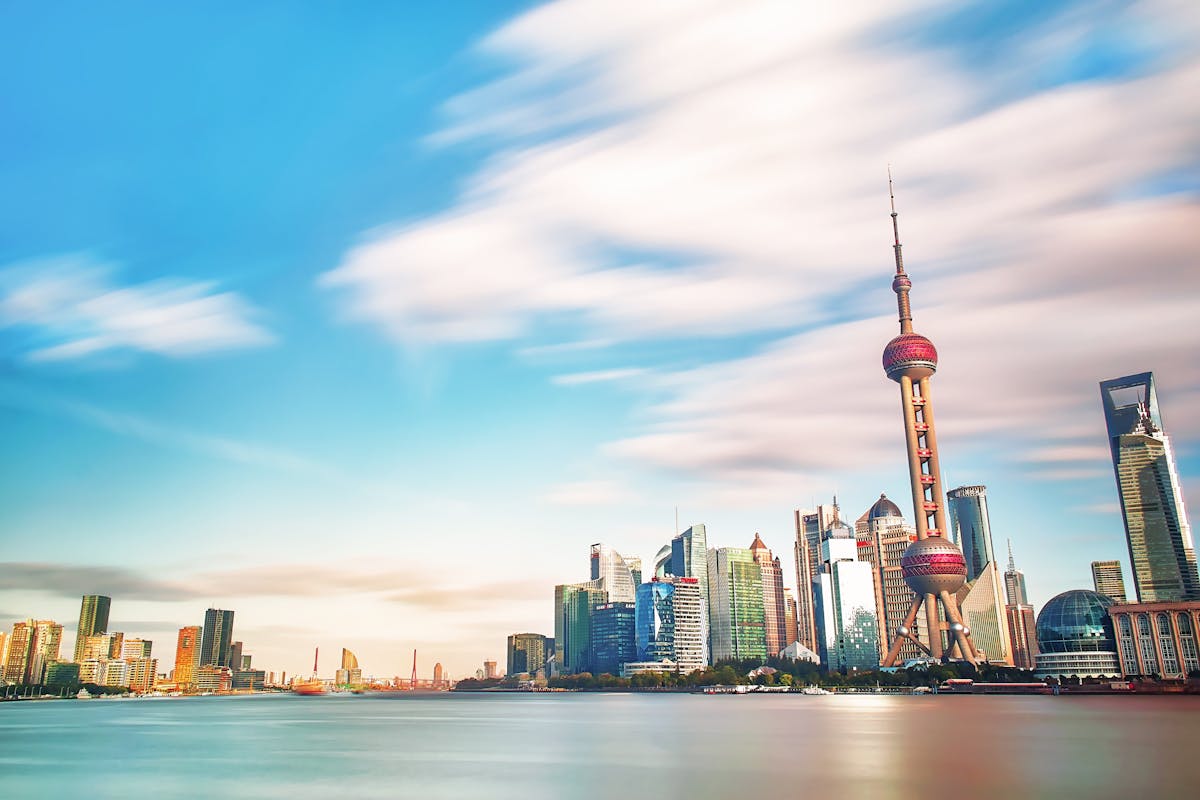
Shanghai Former French Concession: A 2026 Walking Guide
A practical walking guide to the Former French Concession: Wukang Road architecture, a three-hour route, Fuxing Park, food stops, and local etiquette.
ガイドを読む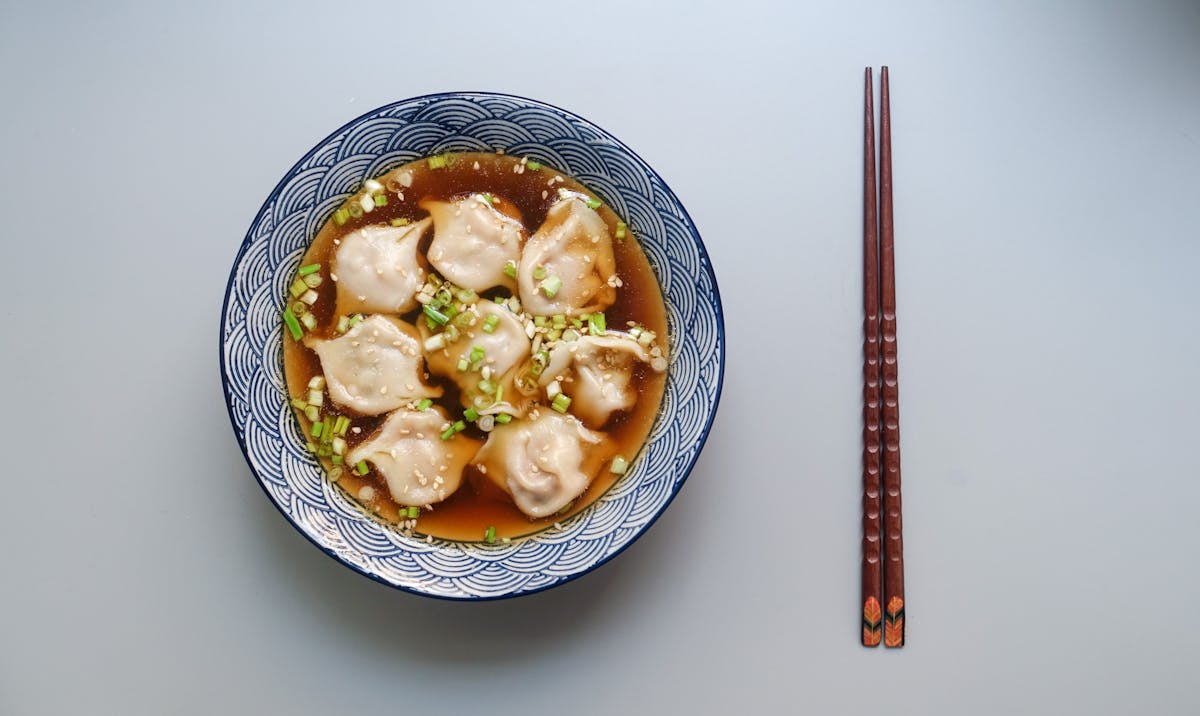
Shanghai Street Food 2026: What to Eat and Where to Find It
A practical street food guide to Shanghai: xiaolongbao, shengjianbao, scallion oil noodles, food streets, average prices, and hygiene tips.
ガイドを読むWhat to Eat in Shanghai: 12 Dishes and Where to Try Them
The Shanghai dishes worth seeking out, from soup dumplings to hairy crab, plus ordering, breakfast, and dietary tips.
ガイドを読むプラン作成をお任せしますか?
上海でカスタム行程とプライベートツアーを提供しています。日程と興味を教えてください。
24時間以内に直接返信します。